Best practice when drone flying in central London
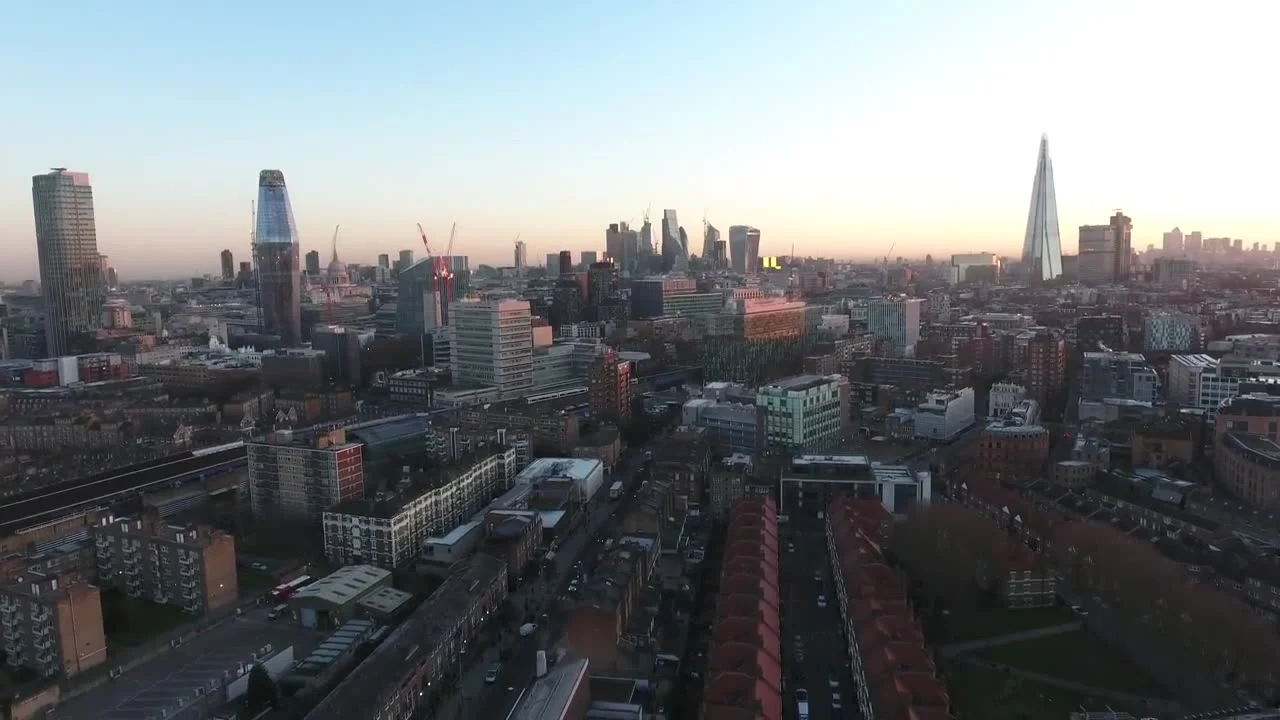
Central London is one of the most heavily regulated places in the UK to fly a drone. Here are the qualifications, permissions and planning checks that matter before an aerial shoot.
Start with the right qualifications
For commercial filming in the UK, a drone pilot needs the correct permissions from the Civil Aviation Authority (CAA). Flying close to people, which is common in central London, generally requires the A2 Certificate of Competency (A2 CofC), and commercial operators also need an Operator ID and, under the rules introduced in January 2026, a Flyer ID. Always check the current requirements on the CAA website, as the rules have been changing.
Check airspace and restrictions
Much of London sits inside or near Flight Restriction Zones around airports such as Heathrow and London City. Flying in these zones requires permission. Use a current airspace map or app before every job, and check for temporary restrictions, which are often put in place for events, state occasions and security reasons.
Get permission for the take-off site
Permission from the landowner is separate from CAA permission. The Royal Parks, for example, restrict drone use and require a filming permit. Most London boroughs, rail land and private estates also have their own rules. Build time into the schedule to request permission, since some replies take weeks.
Plan the flight, not just the shot
A good plan for a central London flight usually includes:
Insurance and risk assessment
Commercial drone work needs appropriate liability insurance, and clients such as building contractors and councils will often ask to see it, along with a written risk assessment and method statement. A pilot who provides these without being asked makes the approval process much quicker.
Think about the footage you need
Because flying time in the capital is limited, shoot with a clear shot list. Know which establishing shots, reveals and orbits you need before the drone leaves the ground, and plan to capture them in the first few batteries when conditions are best.
This article is general guidance and not legal advice. Drone regulations change, so always confirm the current rules with the Civil Aviation Authority and the relevant landowner before flying.